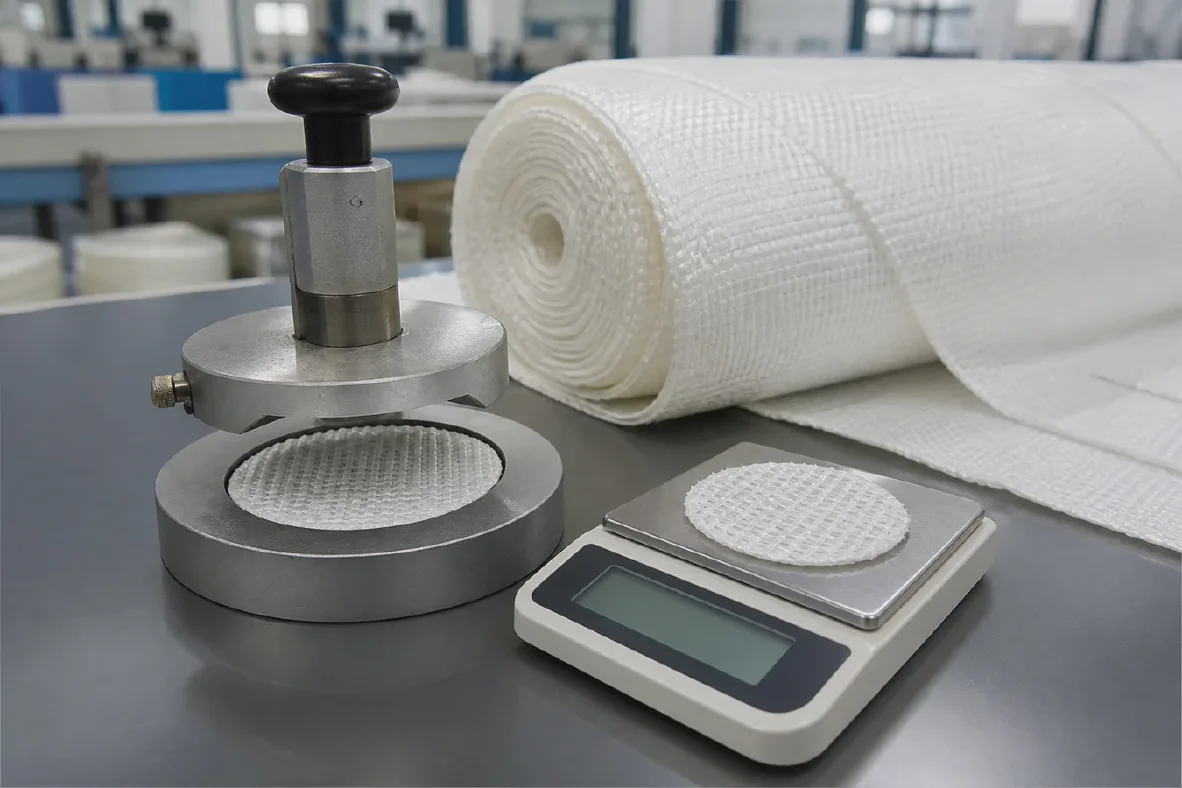
GSM is one of the first specifications buyers ask for when sourcing PP/PE woven rolls, but GSM alone does not decide whether a roll will work in production. A reliable specification also needs base fabric density, PE lamination weight, coating adhesion, roll width, UV target, roll diameter and the final application.
For tarpaulin converters, the wrong GSM can reduce cutting yield, create unstable welding behavior or make the finished cover too light for outdoor use. For agriculture and construction buyers, the wrong GSM may lead to tearing, short outdoor life or poor handling during installation.
Quick GSM reference by application
| Application | Common Starting Range | What to Confirm |
|---|---|---|
| Light temporary covers | 55–90 GSM | Short-use period, color, packing and price target |
| General tarpaulin conversion | 90–160 GSM | PE lamination, welding behavior, roll width and cutting yield |
| Construction site covers | 100–180 GSM | Visibility color, water resistance, tear resistance and handling |
| Agriculture ground cover | 80–130 GSM | UV stabilizer, water permeability, guide lines and roll width |
| Industrial packaging / liners | 70–140 GSM | Clean appearance, tensile strength, wrapping tension and export packing |
| Heavy-duty outdoor covers | 160 GSM and above | UV target, coating weight, reinforcement and expected exposure |
These ranges are starting points for discussion, not fixed standards. The final choice should be confirmed by sample testing, trial cutting or the buyer’s previous approved specification.
GSM and finished weight are not the same
A common sourcing mistake is comparing two suppliers only by GSM. One roll may quote the base woven fabric GSM, while another quote may include finished laminated weight. For example, a 100 GSM woven base with PE lamination may perform differently from an uncoated 100 GSM woven roll.
Before comparing prices, ask whether the GSM refers to:
- base woven fabric only;
- finished laminated fabric;
- coating or lamination added on one side;
- coating or lamination added on both sides.
This is especially important for tarpaulin fabric rolls, where PE lamination, coating adhesion and welding behavior can matter more than base weight alone.
What tarpaulin buyers should check
For tarp fabric roll material, GSM should be selected together with roll width and cutting layout. A heavier roll is not always better if it creates waste during cutting or becomes difficult to handle on the converter’s equipment.
Tarpaulin converters should confirm:
- target finished cover size;
- cutting layout and machine width;
- sewing or heat-welding method;
- eyelet or reinforcement requirement;
- outdoor exposure target;
- finished roll diameter and packing method.
If the material will be used for truck covers, storage covers or construction covers, the buyer should also confirm whether UV stabilization and PE lamination are required before sampling.
What agriculture buyers should check
For ground cover and weed-control applications, GSM is only part of the specification. Water permeability, UV stabilizer, fabric weave density, edge finish and guide lines can all affect field performance.
A lower GSM may work for short-term seasonal use, while longer outdoor exposure usually needs stronger fabric and better UV stabilization. For this application, see Black UV Ground Cover Roll and Agriculture Ground Cover Rolls.
What packaging buyers should check
For industrial packaging, the roll needs to match the goods being protected. Pallet covers, steel wrapping, lumber protection and machinery wrapping may require different surface feel, tensile strength and roll width.
A clean white or clear woven roll may be selected when appearance matters. See White PP/PE Woven Roll and Clear Transparent PP/PE Woven Cover Roll for packaging-oriented options.
Inquiry checklist before asking for a quote
| Item | Why It Matters |
|---|---|
| Application | Determines whether strength, waterproofing, UV or appearance matters most |
| Target GSM | Gives the factory a starting range |
| Coating / lamination | Changes finished weight, surface, water resistance and price |
| Roll width | Affects cutting yield and container loading |
| Roll length | Affects roll diameter and handling |
| Color | Affects pigment, outdoor use and visual identification |
| UV target | Important for outdoor covers and ground cover |
| Packing method | Affects freight efficiency and unloading |
| Destination port | Helps estimate container planning and shipping discussion |
FAQ
Can I choose GSM only by price?
No. Price-only comparison can be misleading if coating weight, resin quality, tensile strength, UV stabilizer or roll diameter are different.
Is heavier GSM always better?
Not always. Heavier material may improve strength, but it can also increase freight cost, reduce handling efficiency and create unnecessary cost for short-use projects.
What GSM is suitable for tarpaulin fabric rolls?
Many general tarpaulin conversion projects start around 90–160 GSM, while heavy-duty covers may require 160 GSM and above. The final choice depends on lamination, UV target and finished-cover use.
Should GSM be confirmed before sampling?
Yes. GSM, coating, color, width and roll length should be confirmed before sampling so the sample can match the final production target.
Related sourcing links
- Tarpaulin fabric rolls
- Blue heavy-duty tarpaulin roll for laminated cover applications.
- UV, PE lamination and color options before confirming outdoor roll specifications.
- Laminated vs unlaminated woven rolls before comparing two GSM numbers.
- PP/PE woven roll buyer’s guide for the full spec map.
- Container loading calculator for roll packing and shipment planning.